Health talk
Child & adolescent athletes: injury risks and prevention
Growing children and adolescents are not simply small adults. Their developing bones, open growth plates and changing muscles require careful training and early attention to injury symptoms.
Why young athletes are at higher risk
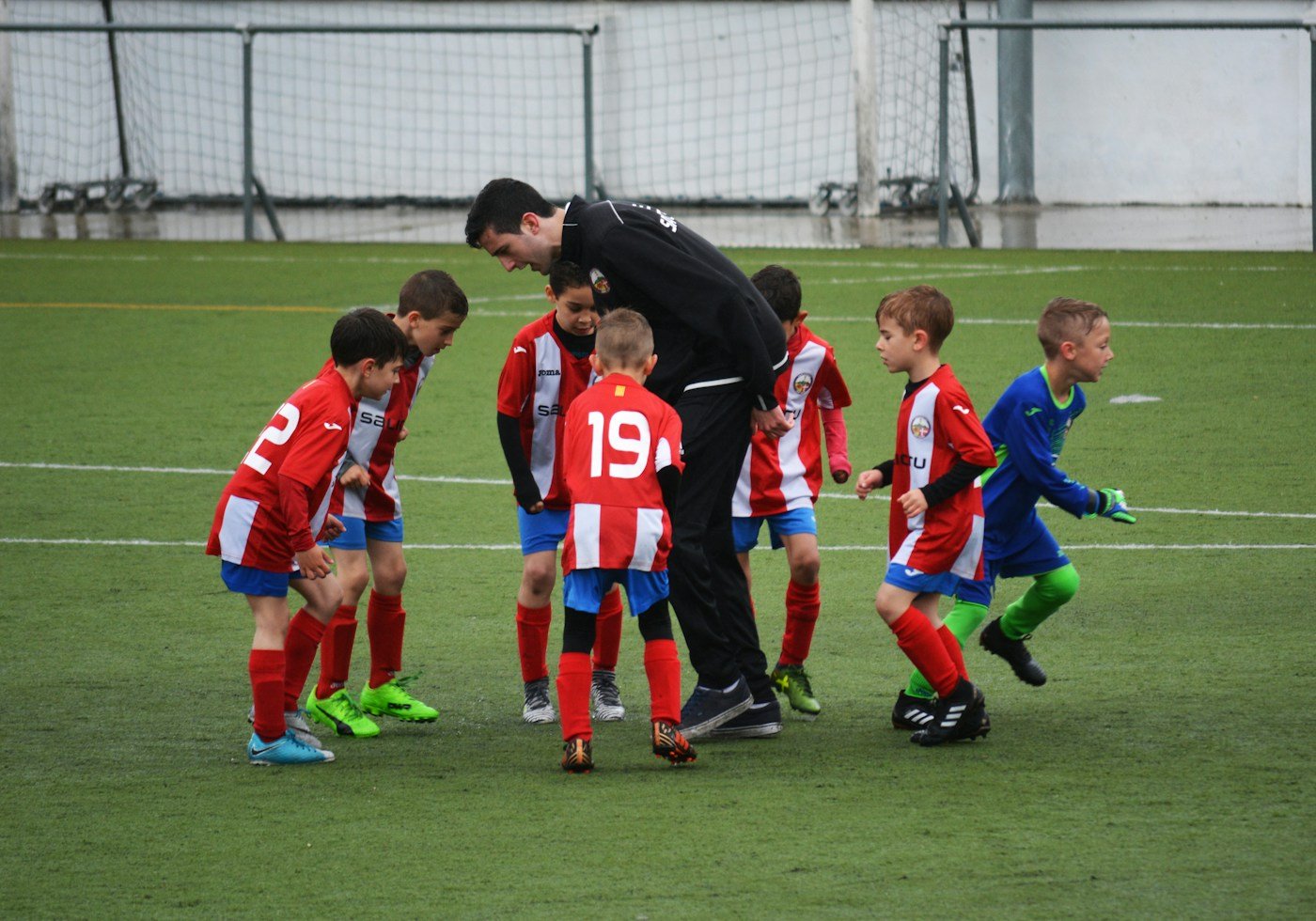
Children and adolescents are especially vulnerable during periods of rapid growth. Open growth plates can be weaker than nearby ligaments and tendons, while growing muscles may become tight and place extra strain on bones and joints.
- Open growth plates make growth-plate injuries more likely.
- Rapid growth can create temporary muscle and tendon tightness.
- Early specialization increases repetitive overuse.
- Poor coaching or technique can cause faulty biomechanics.
Common injuries
- Growth plate injuries
- Apophysitis, such as heel or knee pain during growth spurts
- Stress fractures
- Ligament sprains
- Overuse syndromes in cricket, football, gymnastics and athletics
Warning signs that need attention
Persistent pain lasting more than a few days, swelling around a joint, limping, reduced performance or pain that worsens with activity should not be ignored. Early assessment helps prevent chronic problems and possible growth disturbances.
Prevention in young athletes
- Avoid early sports specialization and encourage several activities.
- Plan at least one or two rest days per week and seasonal breaks.
- Keep training intensity and duration appropriate for age and maturity.
- Teach technique before increasing intensity or performance demands.
- Include supervised strength and flexibility training.
- Support bone health with adequate calcium, vitamin D, protein and fluids.
- Encourage parents and coaches to report pain early.
“Playing through pain” is not advisable in growing athletes.
The role of physiotherapy
Physiotherapists help assess the injury, develop a suitable rehabilitation plan and supervise treatment according to the athlete’s sport and recovery level. They can also improve movement and biomechanics, reduce faulty loading patterns and help lower the risk of reinjury.
Need support for a young athlete?
A structured physiotherapy assessment can help identify the cause of symptoms and create a safe return-to-sport plan.
Book an appointmentFinal message
Prevention, awareness and structured training are the pillars of lifelong athletic health. Early diagnosis and appropriate recovery protect young athletes and support their future performance.
Dr Saif
Founder G-Physio | Senior Consultant Physiotherapist